For nearly two decades, World of Warcraft raid openings have evolved from chaotic challenges into grand social spectacles. What began with small guilds racing into Molten Core has become a global phenomenon where communities gather, strategize, and celebrate together. Each raid release isn’t just new content—it’s an event that unites millions in anticipation and shared experience.
This article traces how raid openings transformed from technical rollouts into cultural milestones that define the heartbeat of Azeroth’s player base.
The Birth of Raiding Culture
When Molten Core launched in 2004, raiding was mysterious and unforgiving. Information was scarce, and guilds relied on teamwork, experimentation, and word of mouth. The first clears were achievements whispered across servers, building the earliest legends of community-driven discovery.
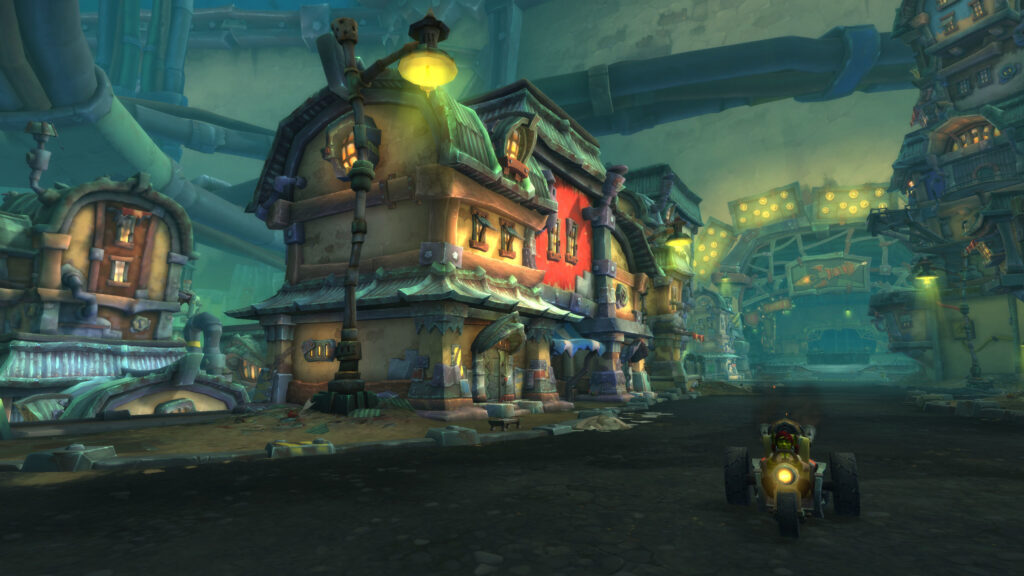
These formative raids established the foundation for what would become a global ritual—guilds preparing, racing, and uniting for moments of shared triumph.
Raids as Community Milestones
Every major raid launch marks a moment in time for players. From the opening of Ahn’Qiraj with its world-spanning event to the first entry into Naxxramas or Black Temple, raid openings became social gatherings as much as gameplay milestones. The world didn’t just change on patch day—it celebrated.
Players remember where they were, who they played with, and what their guild achieved, cementing raid releases as community-defining experiences.
The World First Race: Competitive Spirit Meets Spectacle
Modern raiding introduced the World First Race—a spectator event followed by millions. Teams like Echo and Liquid turned progression into performance, streaming strategies, defeats, and triumphs live. What began as niche competition has become an esport-like event with sponsors, commentators, and global audiences.
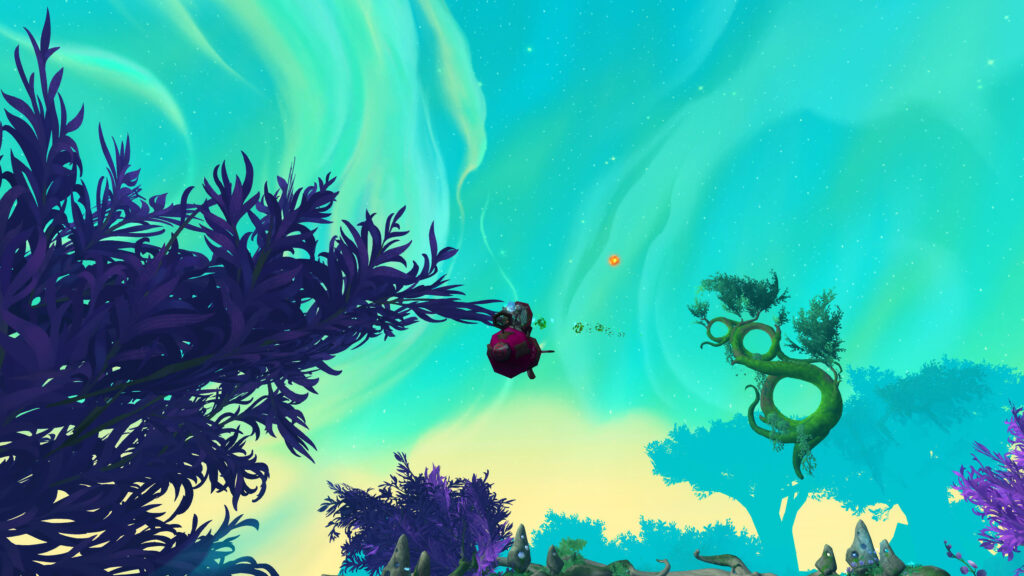
This evolution transformed raid launches into cultural phenomena where fans cheer, debate, and celebrate alongside professional raiders.
- Molten Core (2004): The birth of raiding and server-first prestige.
- Ulduar (2009): Introduced hard modes and creative mechanics.
- Siege of Orgrimmar (2013): Streamed progression becomes mainstream.
- Amirdrassil (2023): Full global coverage with commentary and analytics.
Preparation and Anticipation
Raid openings spark excitement weeks before they arrive. Guilds stockpile consumables, optimize strategies, and clear schedules. Forums and Discord servers buzz with speculation. For many, the preparation is as thrilling as the fight itself—a shared sense of readiness and purpose that binds players together.
Blizzard often fuels this anticipation with teasers, PTR previews, and cinematic reveals, turning patch releases into countdown events.
Social Dynamics on Launch Day
On opening day, Azeroth feels alive. Trade chat floods with excitement, LFG channels overflow, and guild Discords erupt with laughter and frustration in equal measure. Even non-raiders participate, crafting gear, selling consumables, or watching streams. It’s a day when the game becomes a living festival of collaboration.
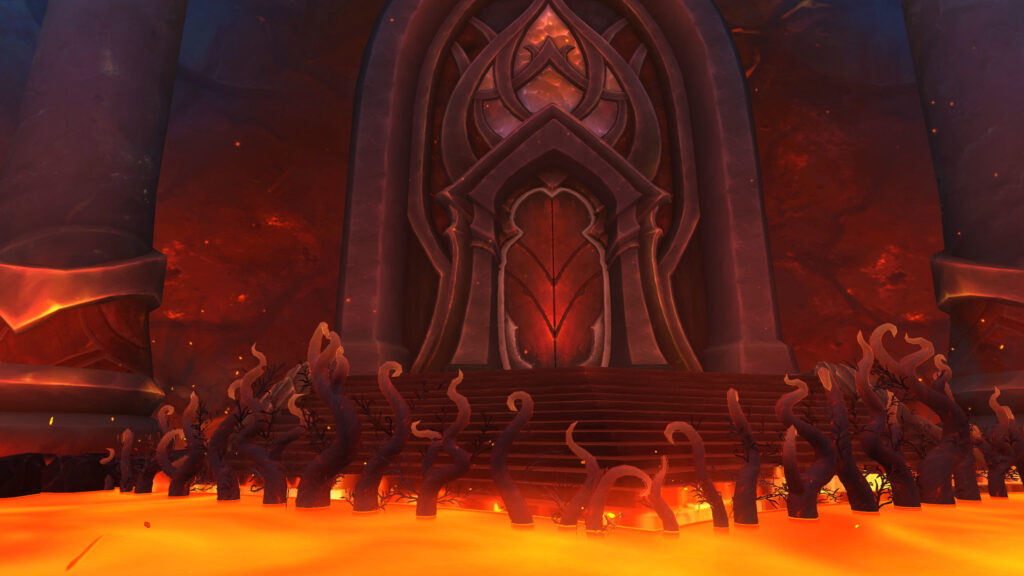
Each wipe, clear, and loot drop becomes part of collective storytelling—a shared memory that defines expansion eras.
From Competition to Celebration
While competition drives raid launches, community celebration sustains them. Guilds host afterparties, Reddit threads immortalize victories, and screenshots fill timelines. Even years later, players recall their first clears as defining social moments, proof of their perseverance and teamwork.
The shift from exclusive to inclusive celebration shows how raiding has grown from elite pursuit to shared culture accessible to everyone.
Conclusion
From the molten depths of Blackrock Mountain to the sacred branches of Amirdrassil, raid openings have become more than content—they are cultural landmarks in gaming history. Each launch unites players in a blend of challenge, emotion, and camaraderie that transcends pixels and loot.
In the end, it’s not just about who killed the boss first—it’s about the millions who shared the moment together.