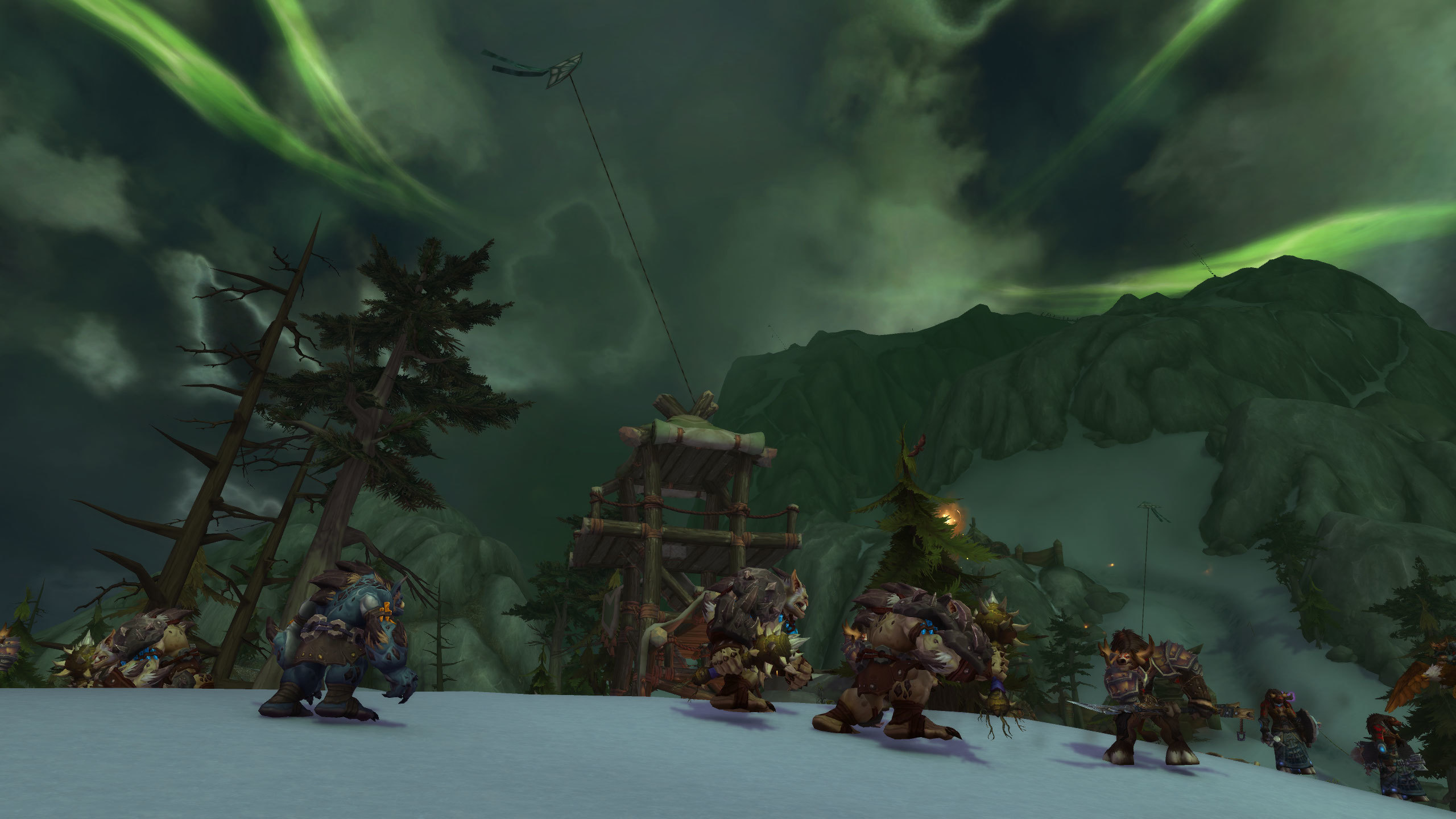
Rare spawns introduce tension into otherwise quiet zones. Players arrive with similar goals, aware that timing and awareness matter as much as strength. These hunts create a subtle form of social competition shaped by patience, knowledge, and presence.
This article explores how rare spawn hunts create social competition and why these moments feel charged without becoming hostile.
Shared Knowledge Driving Participation
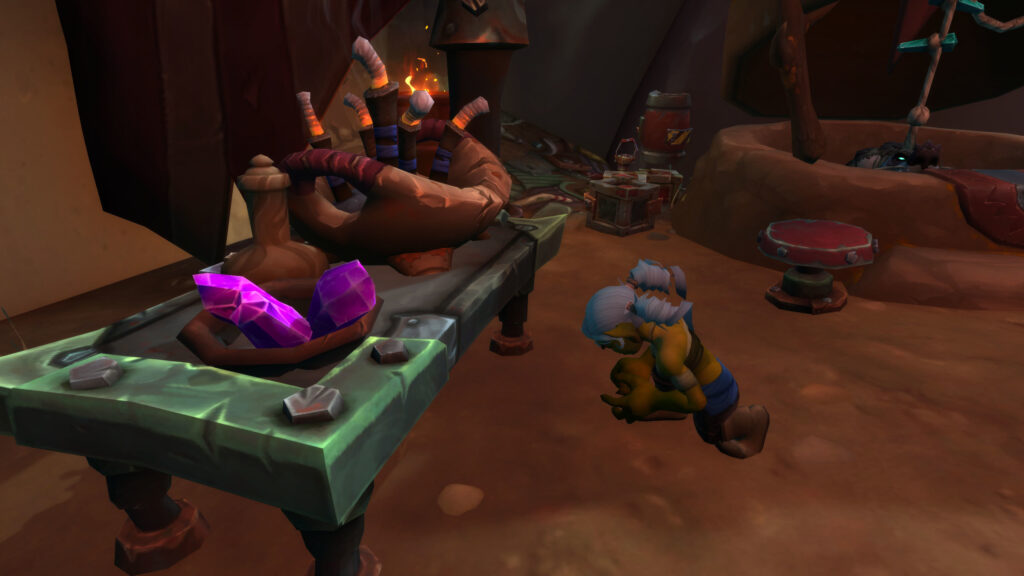
Information spreads quickly. Timers, locations, and patterns become communal knowledge, pulling players into the same spaces.
Awareness fuels activity.
Competition Without Direct Conflict
Unlike direct PvP, rare spawn competition remains indirect. Players compete through positioning, timing, and attentiveness.
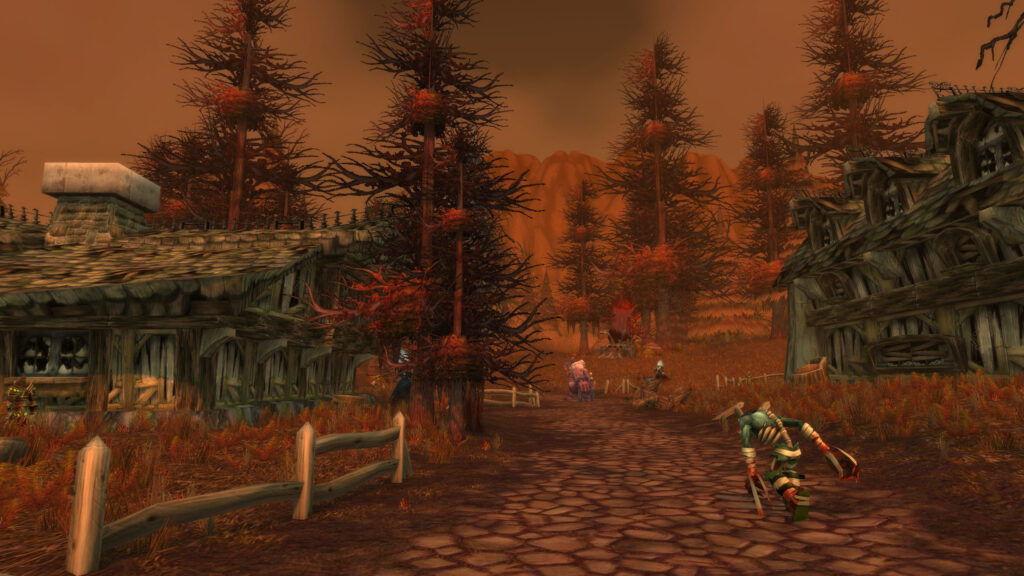
Focus replaces aggression.
Behaviors That Shape Rare Spawn Hunts
Despite minimal interaction, patterns emerge.
- Players monitoring spawn locations quietly
- Rapid reactions when spawns appear
- Unspoken respect for shared space
- Brief acknowledgement after success or failure
Competition remains restrained.
Tension Creating Engagement
The possibility of missing a spawn keeps attention sharp. Waiting becomes active rather than idle.
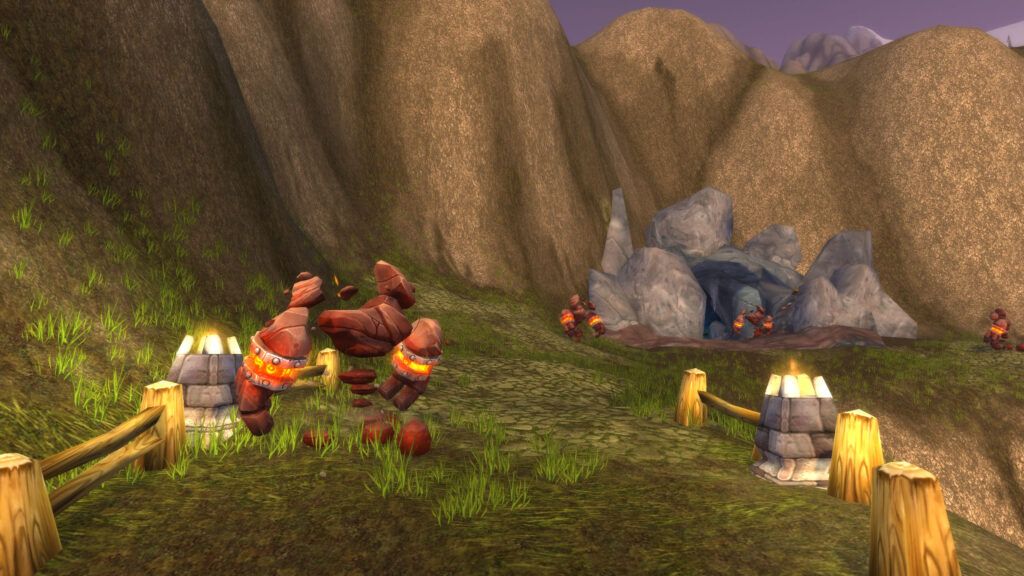
Anticipation sustains focus.
Why These Hunts Feel Social
Even without conversation, players recognize one another. Repeated encounters create familiarity.
Presence builds connection.
Conclusion
Rare spawn hunts create social competition through shared knowledge and quiet tension. Without direct conflict, players test awareness and patience against one another. These moments add energy to open-world play while preserving mutual respect.